
Search
Sign In

Stepwells @ Alibag

Stepwells @ Alibag

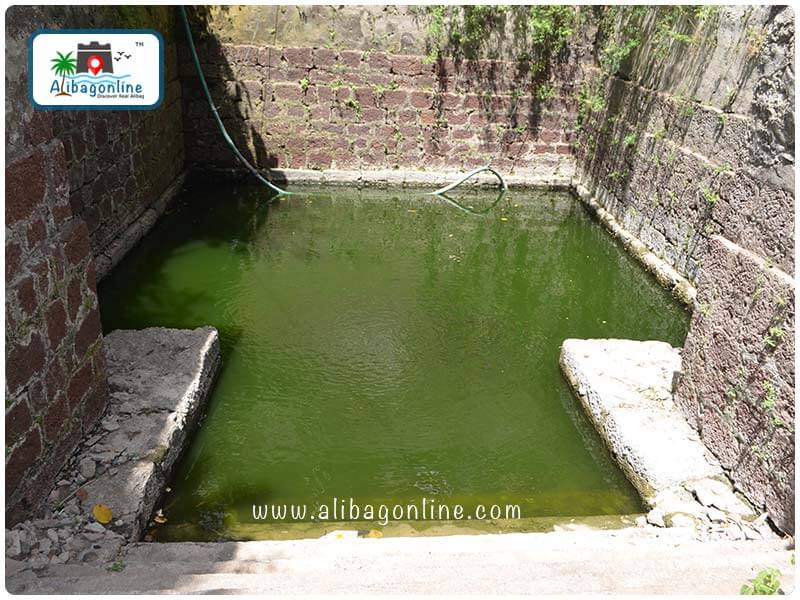
Post In our Indian culture, historical cities are always accompanied with ancient temples and stepwells are its inseparable components. Just as in the modern era, water planning for a city was done in the past as well. And part of it are wells & stepwells( Pushkarini or Barav). stepwells are mostly found near a temple. The possible reason for this is that the pit made while extracting the stone required for the construction of that temple, as well as the water reservoir used to wash hands and feet while entering the holy place and enter. The intention must also be that this water could be used later by the residents. And when the water recedes, there are steps built around it to get down into it. In the past, these steps were also used to drink water for animals. Water was stored in the stepwells during the monsoons, and there was a deep well-like area in the middle where there were also natural water sources.

Historical Alibaug is no exception to this. There are a large number of ancient temples in the Alibaug area, and there are also an equal number of stepwells. There are around 15 or so still in the Alibaug area, this is a review of them,

Shree Ram Temple – (Ramnath)

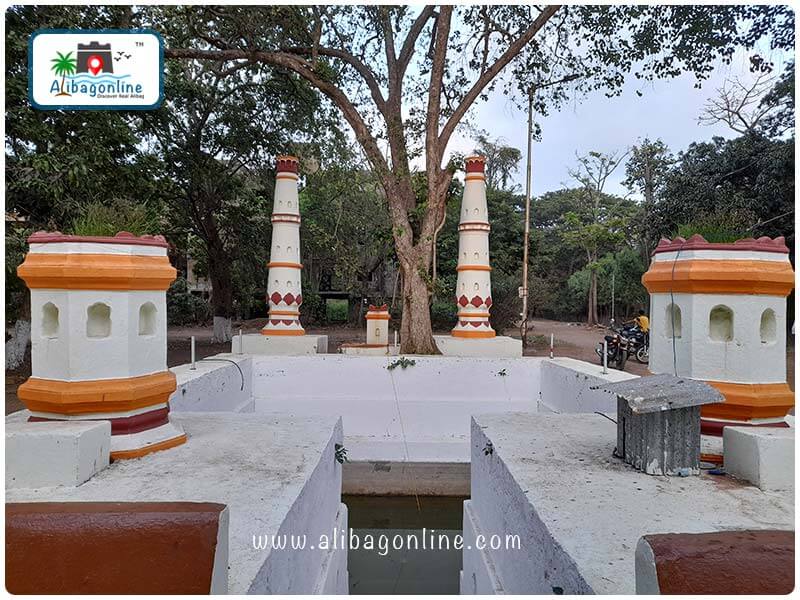
This temple was built by Govind Rewa Seth, who was in the court of Sarkhel Kanhoji Angrya. A square-shaped pond is visible in front of the temple. There are large Tulsi Vrindavans on two sides, while large lamps are seen on the other two sides. This stone-built pond is completely filled during the rainy season, and there is water in it even in the summer. Another pond is visible on the right behind the temple, but this one is in a very remote condition. It needs to be preserved well.
Information about the temple

Shree Beleshwar (Varsoli)

On the way to Varsoli beach, on the left is the approximately 350-year-old temple of Shri Beleshwar. In front of the temple, across the road, there is a stepwell in the dense trees. Since there are dense and old trees around, this stepwell is not easily visible. The steps and the bank are seen to have collapsed to a large extent. This stepwell needs to be preserved.
About Shree Beleshwar Temple

Shree Kanakeshwar Bramhakund – (Kankeshwar)

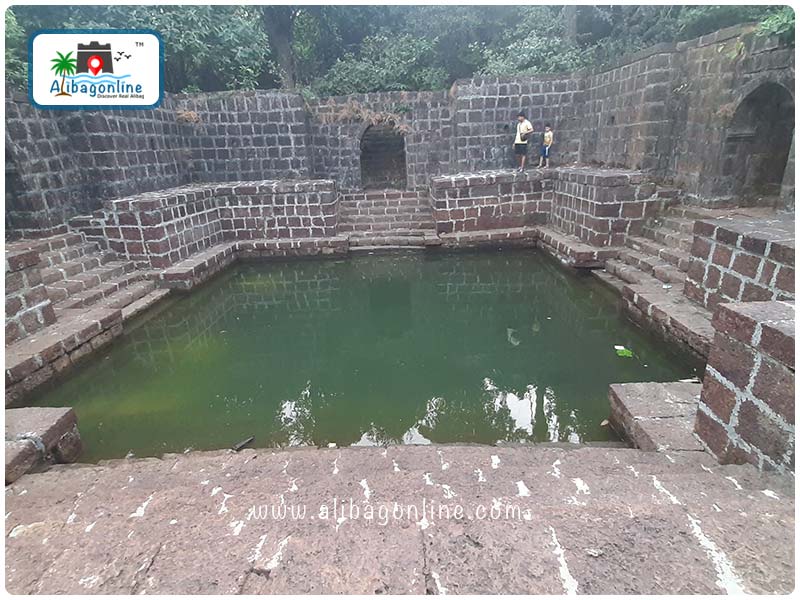
After climbing the Kankeshwar hill, before the temple, the Maruti temple is first seen on the right side and Brahmakund is on the side. This Brahmakund is a stepwell built in red trenches. This stepwell is square in shape with trench walls on all four sides. During the rainy season, this stepwell starts flowing in torrents, and many devotees who come to Kankeshwar enjoy bathing here. There are stone walls on all four sides of this pond.
About Shree Kanakeshwar Temple

Shree Bhimeshwar – (Nagaon)

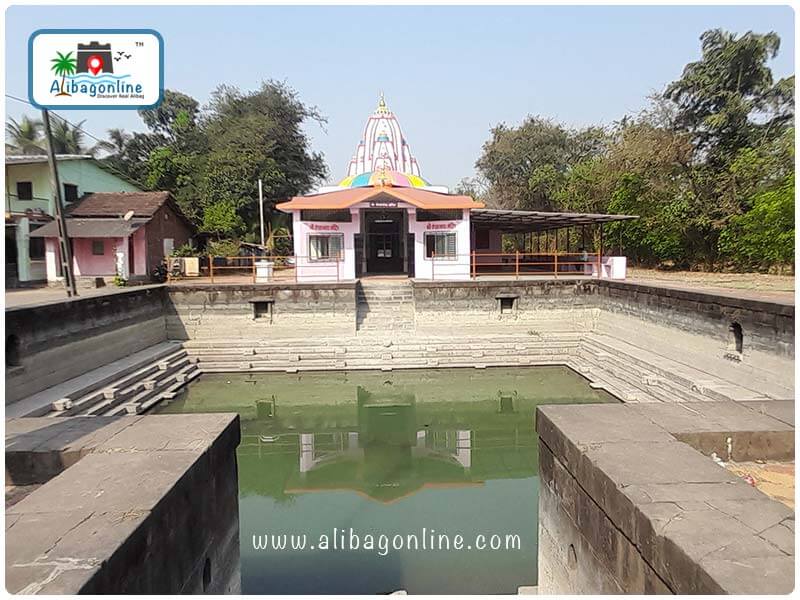
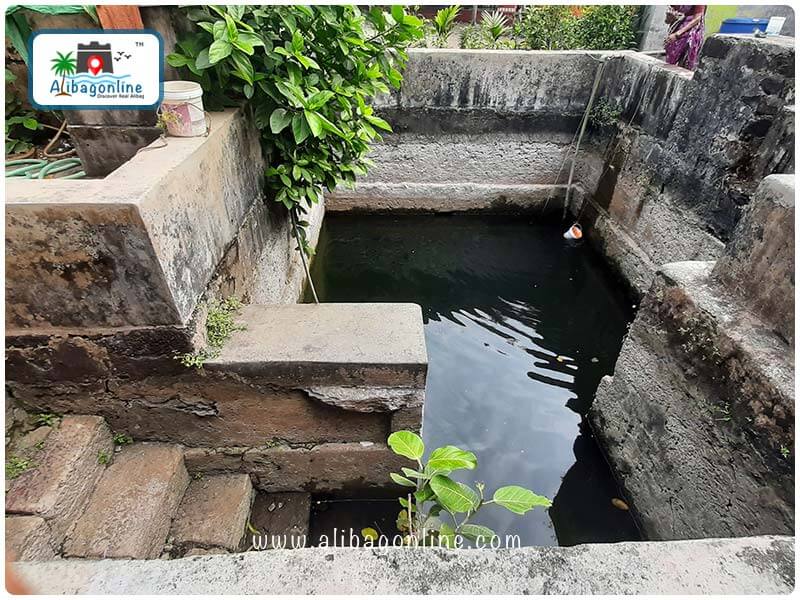
While going towards Chaul from Nagaon on the main road, you will see the Bhimeshwar Shiva temple on the right. There is a square-shaped stepwell in front of the temple. This stepwell fills up completely during the monsoon season.
About Shree Bhimeshwar Temple

Shree Vankhanath Temple – (Nagaon)

While going towards Chaul from Nagaon on the main road, the Shiva temple of Vankhnath is visible on the right. There is a square-shaped pond in front of the temple. This pond fills up completely during the rainy season. When the rain water recedes a little, one can walk on all four sides from the steps inside the pond. And at this place, at some distance, there are places in the form of a deori carved in stone, in which lamps were probably kept in the past.
Shree Vankhanath Temple

Mukhya Mukhari Temple – (Chaul)

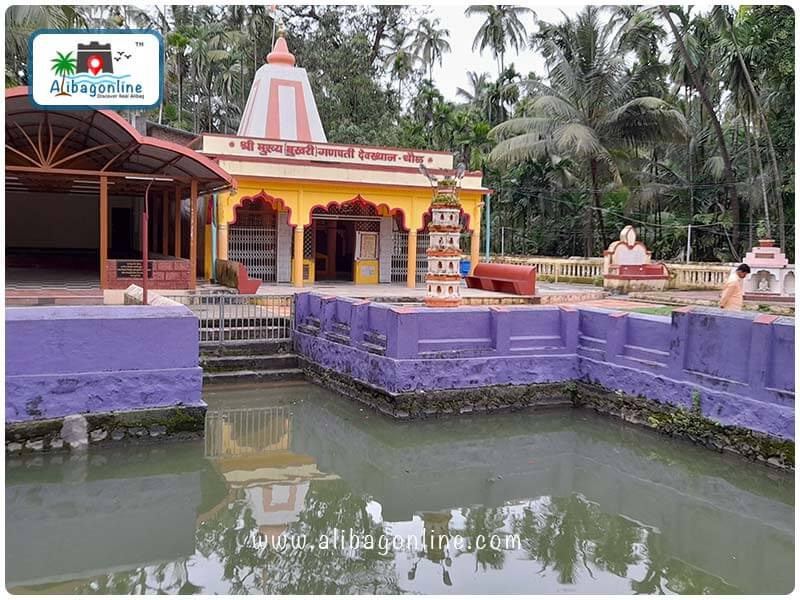
There is a main Mukhari Ganapati temple near the chaul. There is a medium-sized pond in front of the temple. This pond fills up completely during the monsoon season.
About Mukhya Mukhari Temple

Shree Shitaladevi – (Chaul)

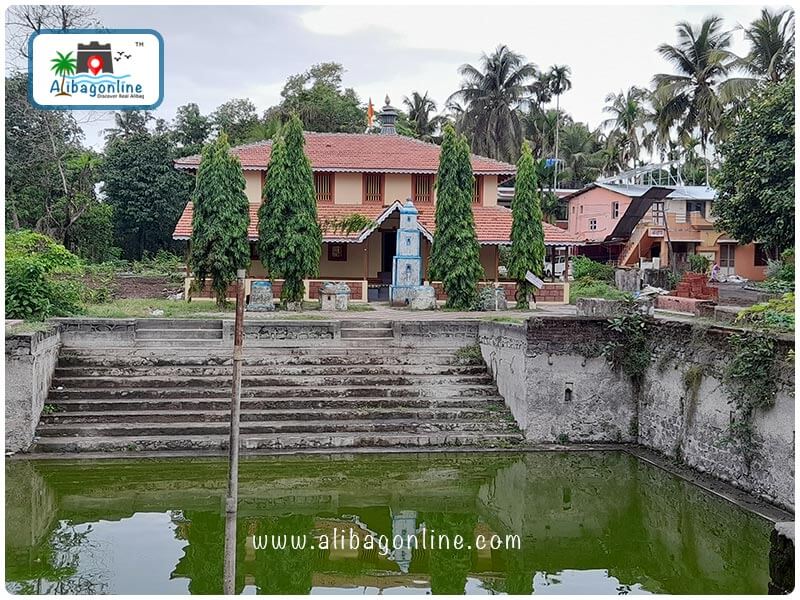
There is a spacious pond in front of the famous Shri Rameshwar Temple in Chaul. This must be the largest pond in the Alibaug area. The reflection of the temple in the green water looks very enchanting. Deepotsav is celebrated here on Tripurari Pournima, during which the pond is decorated with lamps. During the monsoon, this pond fills up completely and the locals organize swimming competitions here. There are steps on both sides to get down into the pond. A wooden pillar is buried in the middle.
Shree Shitaladevi Temple

Shree Malleshwar Temple – (Chaul)

While going towards Revdanda bridge from Chaul, bypass, Malleshwar Shiva temple is visible on the right side. In front of the temple is a medium sized courtyard. Adjacent to this courtyard is this temple near a bhava tree. After climbing a little higher, this temple is visible.
Shree Malleshwar Temple

Shree Kshetrapal Temple – (Murud)

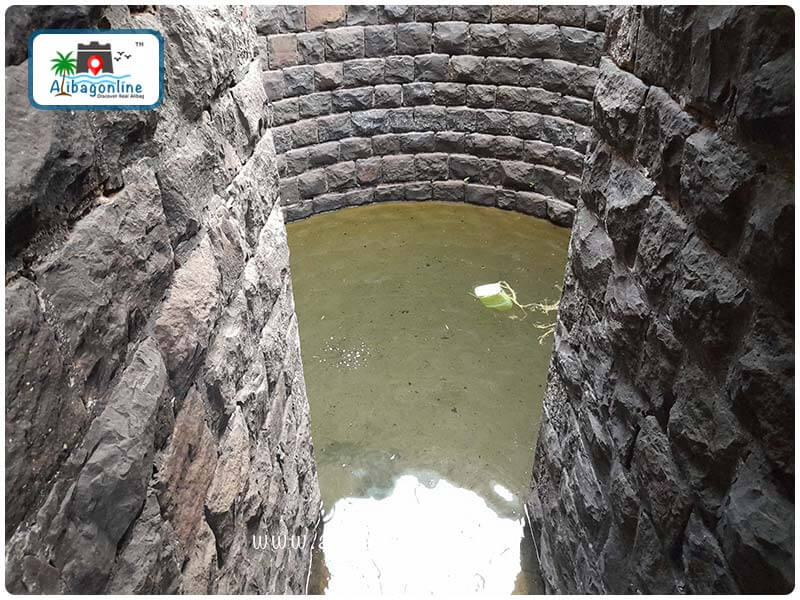
From Shri Datta Hill in Murud, one can go to Shri Kshetrapal, there is a temple of Lord Shiva and nearby there is a well in the shape of a lock, round on top and steps on one side, so when viewed from above, this well looks like a key in a lock. The water here is cold due to the mountains and dense bushes around it. A Virgal can be seen at this place.
Shree Kshetrapal Temple

Shree Bhogeshwar Temple – (Murud)

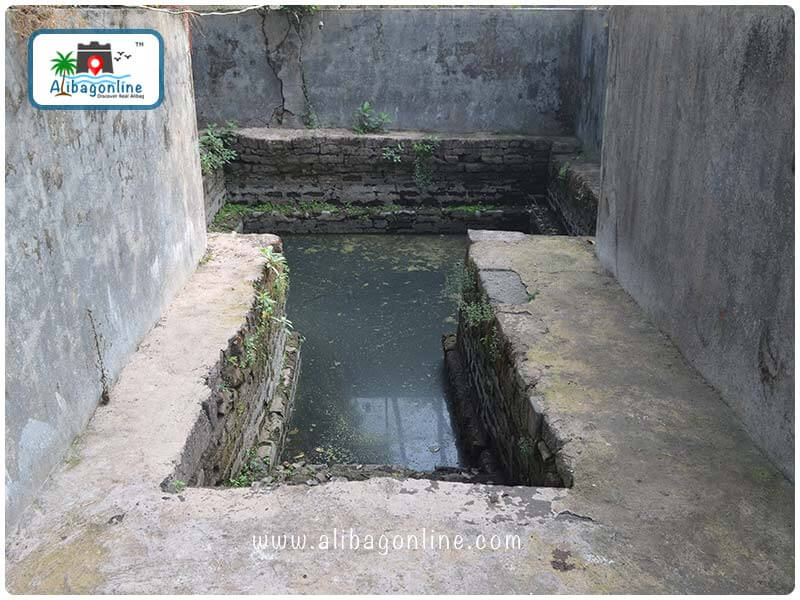
This is the temple of Shri Bhogeshwar at the end of Bhogeshwar Pakhandi in Murud. In front of the temple, there is a medium-sized stepwell with stone walls on three sides and steps on one side. During the monsoon, this stepwell gets completely filled and local children enjoy swimming here.
Shree Bhogeshwar Temple
Some of these Pushkarini / Barav are still in use and are in good condition, but some of them are still in a dilapidated or neglected state, and it is very important to preserve and revive them. After all, this is our historical heritage and we should preserve it.
  • 391
  • Historical
  • Comments Off on Stepwells @ Alibag

Sign In alibagonline

For faster login or register use your social account.

[fbl_login_button redirect="" hide_if_logged="" size="large" type="continue_with" show_face="true"]
or

Account details will be confirmed via email.

Reset Your Password